






Oct 27, 2026
CPT Coding
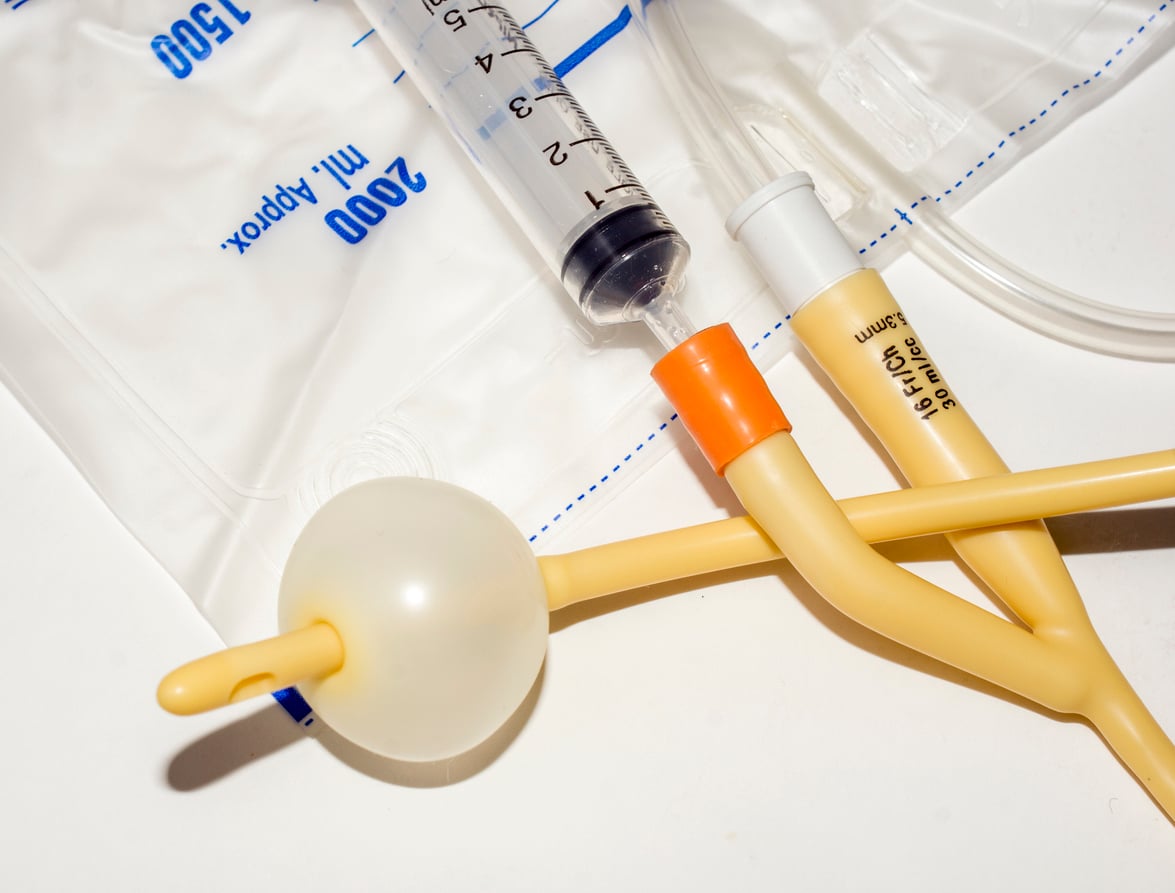
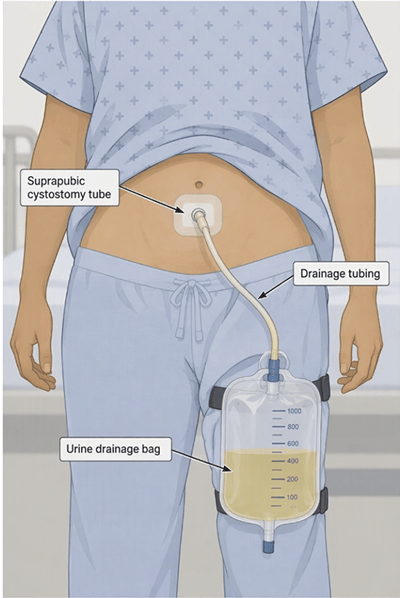
CPT has two codes for reporting cystostomy tube changes: 51705 and 51710.
CPT 51705 – Change of Cystostomy Tube; Simple
This code describes a routine, uncomplicated removal of an existing cystostomy tube through the established tract with placement of a new tube without difficulty in a patient who has normal anatomy. (See CPT Assistant, Volume 36, Issue 9, September 2026, page 29.)
CPT 51710 – Change of Cystostomy Tube; Complicated
This code applies when the tube exchange is technically challenging or involves additional work. Examples of a complicated exchange may include abnormal or altered anatomy, dilation of the cystostomy tract, the use of a guidewire to facilitate catheter placement, or difficulty removing the tube due to adherence to the cystostomy tunnel. Any circumstances that require extra effort or extra problem solving qualify as complicated.
It is not appropriate to automatically assign 51710 simply because circumstances are present that suggest a potential for difficulty in exchanging the cystostomy tube, such as abnormal anatomy. If a tube is exchanged without difficulty, assign 51705 regardless of potentially difficult circumstances. (See CPT Assistant, Volume 36, Issue 9, September 2026, page 29.)
Assignment of 51710 must be supported by documentation that clearly details the reason for complexity and the extra steps or difficulty involved in the tube replacement.
Consider Additional Services Carefully
A cystostomy tube change may occur alongside other services, such as cystoscopy or another therapeutic procedure. When additional services are documented, coders should determine whether they are separately reportable under CPT guidelines and applicable National Correct Coding Initiative (NCCI) edits.
For example, simple bladder irrigation performed as part of a routine cystostomy tube change is generally included in the service and should not automatically be reported separately. Other procedures may be separately reportable when they meet the applicable coding requirements.
The Importance of Accurate Documentation
Correct CPT code assignment begins with understanding the clinical documentation. Documentation should identify the existing cystostomy, describe removal and replacement of the tube, and record any additional techniques or circumstances that make the exchange complicated.
Key Takeaways
- Cystostomy tubes allow for drainage of the bladder in patients who cannot adequately drain their bladder through the urethra.
- Cystostomy tubes may need to be exchanged or replaced due to obstruction or normal wear.
- Code 51705 reports a simple cystostomy tube change, routine in nature and not requiring additional work.
- Code 51710 reports a complicated change of a cystostomy tube. Complicated exchanges are those requiring extra effort or extra problem solving to facilitate the change.
- Routine exchange, even in the presence of potentially complicating circumstances, is reported with 51705.
- Selecting the appropriate code requires attention to the documented procedure rather than relying solely on the patient's diagnosis or the presence of a catheter-related problem.
Resources
- AMA CPT Professional Edition
- AMA CPT Assistant © 2025 American Medical Association. All rights reserved.
- Codify by AAPC – Urology Coding Alert: You Be the Coder: Irrigation and Suprapubic Tube Change
References
Coding Clinic for ICD-10-CM/PCS, Second Quarter 2021, page 21.